
- Home
- Services
- Service Areas
Bradenton, FL
Samoset, FL
Palmetto, FL
West Bradenton, FL
Oneco, FL
Bayshore Gardens, FL
Ellenton, FL
Memphis, FL
Whitfield, FL
Palma Sola, FL
Terra Ceia, FL
Longboat Key, FL
Cortez, FL
Rubonia, FL
Bradenton Beach, FL
Holmes Beach, FL
The Meadows, FL
Sarasota, FL
Anna Maria, FL
Parrish, FL
Fruitville, FL
Lakewood Ranch, FL
Sarasota Springs, FL
Bee Ridge, FL
Lake Sarasota, FL
Siesta Key, FL
Gulf Gate Estates, FL
- About
- Contact
Tree Trimming in Palmetto, FL
Palmetto’s mix of historic riverfront neighborhoods, newer waterfront developments along the Manatee River, and sprawling live oaks means that tree trimming here isn’t a one-size-fits-all job. Stillman’s Tree Service has spent years working through the canopy that shades homes from Riverside to the Historic District, and we understand how our local climate shapes the pruning schedule your trees actually need. Whether you’ve got a mature oak dropping limbs near your roofline or a cluster of sabal palms that haven’t been cleaned up in years, our crews bring the right tools and the right judgment to every property we visit in Palmetto.
Why Palmetto Trees Need Regular Trimming
The warm, humid climate that makes Palmetto such a desirable place to plant trees is the same climate that accelerates growth and invites problems if trees are left unchecked. Fast-growing species common throughout the area can quickly develop weak branch unions, especially after the rapid flush of growth that follows our rainy season. Add in the salt-tinged breezes rolling in off the Manatee River and Tampa Bay, and you’ve got conditions that can stress limbs and speed up decay in ways inland properties rarely experience.
Hurricane season adds another layer of urgency. Overgrown canopies and crossing branches act like sails in high wind, and a tree that looked fine in June can become a liability by September if it hasn’t been thinned and shaped properly. Routine trimming reduces wind resistance, removes deadwood before it becomes a projectile, and helps your trees flex rather than snap during a tropical storm or hurricane.
Our Tree Trimming Process
Every trimming job we perform in Palmetto starts with a walk-around assessment of the tree’s structure, species, and surroundings. We look at proximity to rooflines, power lines, driveways, and septic systems before a single cut is made, because good trimming is as much about planning as it is about technique.
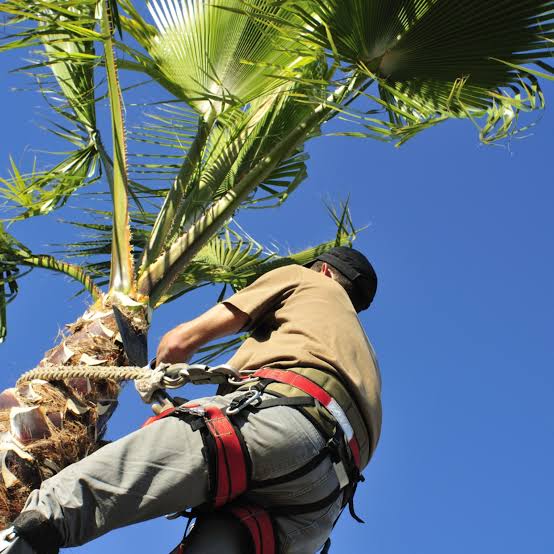
From there, our crews follow ANSI A300 pruning standards, which means we’re removing dead, diseased, and crossing limbs first, then shaping for structure and clearance. We selectively thin dense canopies to let wind and light pass through rather than stripping trees bare, a mistake that weakens trees and invites sunscald or pest issues. For palms, we focus on removing only dead or declining fronds and seed pods, leaving healthy green fronds intact since over-trimming palms actually stresses them and shortens their lifespan.
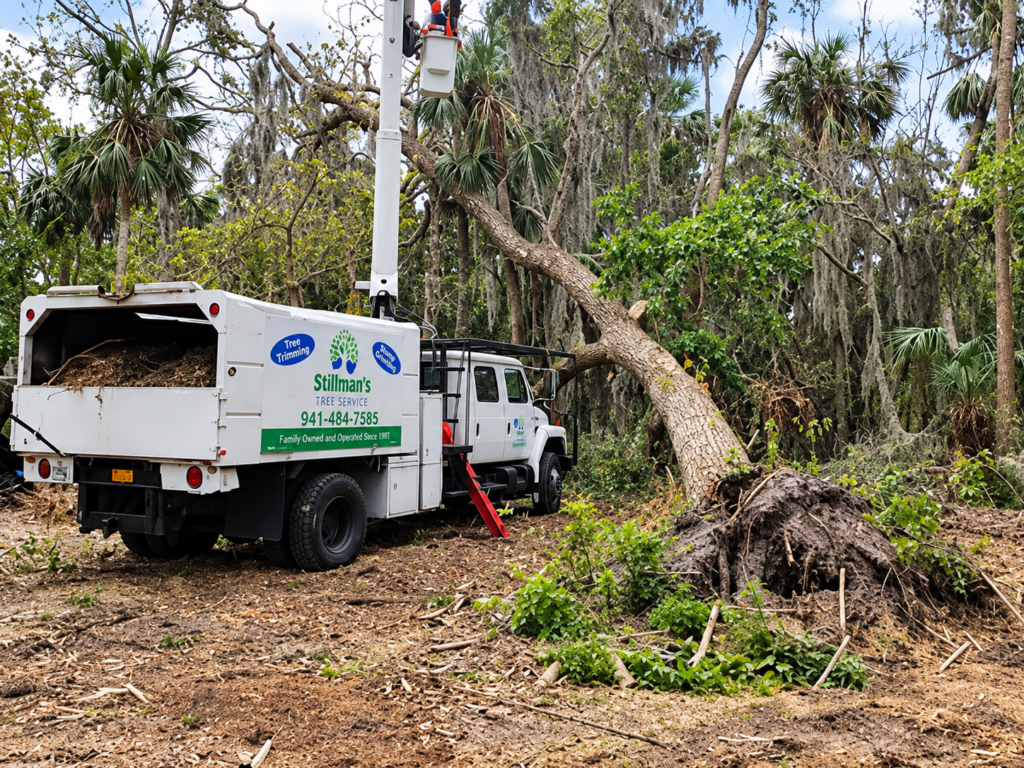
Once cuts are made, we clean up thoroughly, hauling away limbs, debris, and chipped material so your yard looks better than before we arrived. We also flag any structural concerns we notice, like included bark or early signs of decay, so you have a clear picture of what to watch going forward.
How the Job Runs
- Discuss the concern. Explain what you have noticed, such as branches near the roof, deadwood, or limbs over a screen enclosure.
- Review the tree and access. The estimate considers tree size, condition, requested work, nearby structures, and access.
- Confirm the proposed work. Confirm the agreed scope before work begins. Timing depends on the job and scheduling.
- Complete the agreed trimming. The work focuses on the approved pruning needs rather than automatically cutting the whole canopy back.
- Discuss any separate concerns. If the tree appears to need removal or another service, that is a different scope and should be considered separately.
Common Trees We Trim Around Palmetto
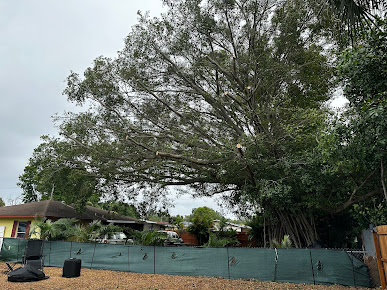
Live oaks are probably the most iconic tree in Palmetto’s older neighborhoods, and they require careful, selective pruning to maintain their broad, sweeping canopies without compromising structure. Southern magnolias are another frequent request, where trimming focuses on removing lower limbs for clearance and thinning dense growth to improve air circulation.
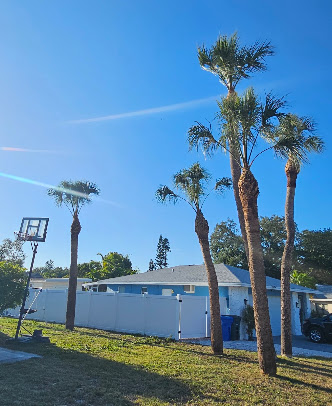
Palms, including sabal, queen, and Washingtonian varieties, are everywhere along Riverside Drive and throughout Palmetto’s newer subdivisions, and they need a different trimming approach entirely, one that favors minimal intervention over aggressive cutting. We also regularly trim slash pines, crepe myrtles, and citrus trees for homeowners who want their yards both tidy and healthy heading into storm season.
Signs Your Palmetto Property Needs Trimming
Not sure if it’s time to call? A few signs tend to show up consistently on properties we visit around Palmetto. Branches hanging low over your roof, driveway, or power lines are an obvious cue, as is deadwood visible high in the canopy, which often indicates the tree is shedding limbs it can no longer support.
Dense, overgrown canopies that block sunlight from reaching your lawn or garden beds are another common issue, especially on older properties where trees haven’t been maintained in several seasons. If you’re noticing more leaf litter than usual, limbs rubbing against your roofline during windy days, or you’re simply prepping for hurricane season and want peace of mind, it’s a good time to schedule an assessment.
FAQ
How often should trees be trimmed in Palmetto, FL?
Most mature shade trees benefit from trimming every 1 to 3 years, while faster-growing species or younger trees may need attention annually. Given Palmetto's storm season, many homeowners schedule a trim in late spring or early summer to reduce wind resistance before hurricane season peaks.
Is it better to trim palm trees or leave them alone?
Palms need minimal, careful trimming, removing only dead or declining fronds and seed pods. Over-trimming, sometimes called hurricane cutting, actually weakens palms and shortens their lifespan, so we recommend light, infrequent maintenance rather than aggressive annual cuts.
Do I need a permit to trim trees on my Palmetto property?
Routine trimming typically doesn't require a permit, but removal or significant pruning of certain protected or specimen trees may fall under local ordinances. We're familiar with Manatee County and City of Palmetto regulations and can advise you before work begins.
What's the best time of year to trim trees in Palmetto?
Late spring through early summer, before hurricane season ramps up, is ideal for reducing storm risk. However, deadwood removal and safety-related trimming can and should happen any time of year if a hazard is identified.
How much does tree trimming cost in Palmetto, FL?
Cost depends on tree size, species, accessibility, and how much work is needed. Call (941) 803-1309 and we'll provide a free, no-obligation estimate based on a look at your specific property.
Why Palmetto Homeowners Choose Stillman's Tree Service
We’re not a national chain running crews through Palmetto for a week before moving on. Stillman’s Tree Service works this area consistently, which means we’ve seen how local soil, salt exposure, and storm patterns affect tree health over time, and we apply that knowledge to every estimate and every cut. Our team arrives insured, equipped, and ready to handle everything from a single backyard oak to a full-property trim ahead of a big storm.
We also keep communication straightforward. You’ll get a clear estimate before work begins, a crew that respects your property and cleans up after itself, and advice you can actually use for maintaining your trees between visits. If you’re ready to get your trees in shape, call Stillman’s Tree Service at (941) 803-1309 for a free estimate.