- Home
- Services
- Service Areas
Bradenton, FL
Samoset, FL
Palmetto, FL
West Bradenton, FL
Oneco, FL
Bayshore Gardens, FL
Ellenton, FL
Memphis, FL
Whitfield, FL
Palma Sola, FL
Terra Ceia, FL
Longboat Key, FL
Cortez, FL
Rubonia, FL
Bradenton Beach, FL
Holmes Beach, FL
The Meadows, FL
Sarasota, FL
Anna Maria, FL
Parrish, FL
Fruitville, FL
Lakewood Ranch, FL
Sarasota Springs, FL
Bee Ridge, FL
Lake Sarasota, FL
Siesta Key, FL
Gulf Gate Estates, FL
- About
- Contact
Palm Tree Trimming in West Bradenton, FL
Palm trees are practically the face of West Bradenton, lining the streets off Cortez Road, shading waterfront backyards along the canals near Perico Bay, and standing tall in neighborhoods like El Conquistador and Trailer Estates. But a healthy, hurricane-ready palm doesn’t happen by accident. Overgrown fronds, loose seed pods, and dead boots can turn into real hazards during our Gulf Coast storm season, and improper trimming does more harm than good. Stillman’s Tree Service has been trimming palms throughout West Bradenton for years, and we know exactly how to keep these iconic trees looking sharp while protecting your property, your roofline, and your neighbors’ cars from falling debris.
Why Palm Tree Trimming Matters in West Bradenton
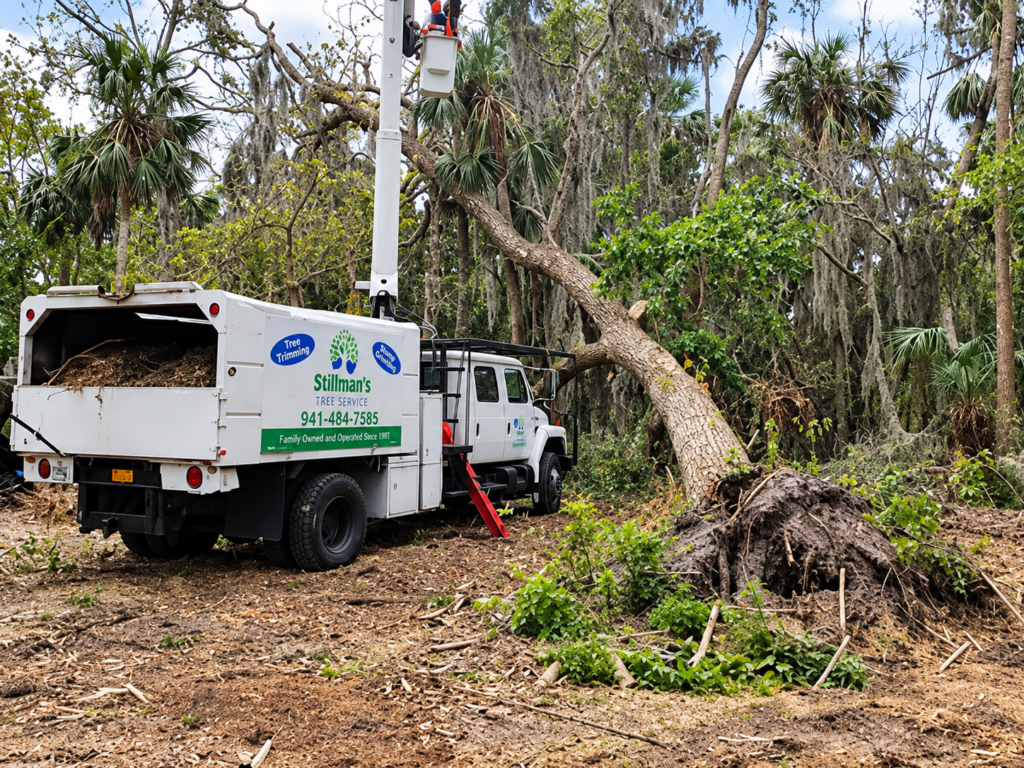
West Bradenton sits close enough to Tampa Bay and the Gulf that wind events are a regular part of life. A palm loaded with dead or dying fronds becomes a liability the moment a storm rolls through, with heavy fronds breaking free and causing damage to roofs, screens, vehicles, and power lines. Regular trimming removes that risk before it becomes an emergency.
Beyond storm prep, untrimmed palms are also an eyesore and a pest magnet. Dead fronds and old seed pods attract rats, roaches, and other critters looking for shelter close to your home. Trimming on a consistent schedule keeps your palms looking clean year-round and helps your whole landscape feel more finished, whether you’re on a quiet street off 26th Street West or along one of West Bradenton’s canal-front lots.
Common Palm Species We Trim in West Bradenton
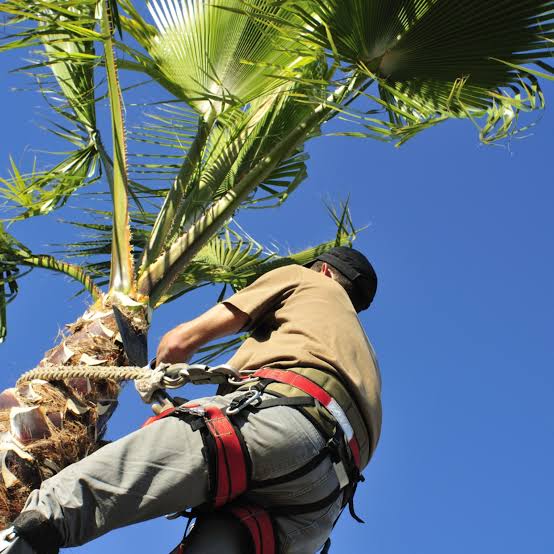
West Bradenton’s mix of older established neighborhoods and newer waterfront development means we see a wide variety of palms on any given week. Sabal palms (Florida’s state tree) are common in yards throughout the area and need minimal, careful trimming to stay healthy. Queen palms, popular for their fast growth and full canopies, tend to drop fronds more often and benefit from more frequent attention. Washingtonia (fan) palms grow tall quickly and often need bucket truck access once they’re mature, while clustering Areca palms around pool areas need more detailed hand-trimming to keep their multiple trunks looking balanced.
Each species has its own growth pattern, frond lifespan, and ideal trimming schedule, and our crews adjust their approach accordingly rather than applying a one-size-fits-all cut.
- Request an estimate. Call 941-803-1309 to discuss the palms, their location, and any concerns about dead fronds, seed pods, or nearby structures.
- Review the palms and access. The estimate considers the species, height, visible condition, surrounding buildings, pool enclosures, and the space available for the work.
- Confirm the scope and price. You receive a clear explanation of the proposed work and its cost before the job begins.
- Complete the agreed work. The appropriate approach depends on the palms and site conditions. Where access is restricted, the work must account for nearby structures and the safe handling of falling material.
- Address the debris. Confirm the haul-off arrangements as part of the estimate so you know what cleanup is included.
Signs Your West Bradenton Palms Need Trimming Now
A few warning signs tell us a palm is overdue. Brown or fully dead fronds hanging in the canopy are the most obvious sign and should be removed before the next windy day. Fronds that droop low enough to brush a roofline, pool cage, or vehicle are both a safety issue and a scratching hazard. A buildup of old seed pods or loose boots clinging to the trunk is another cue, since these can dry out and become projectiles in high wind.
If you’ve noticed any of these on a palm in your West Bradenton yard, it’s worth scheduling a trim sooner rather than later, especially heading into the June through November storm season.
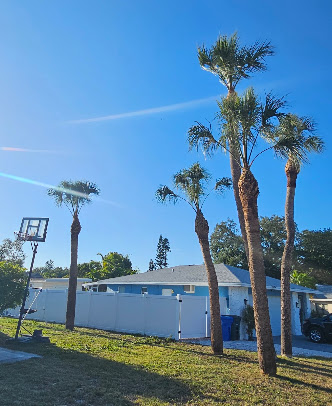
Protecting Your Property and Landscape
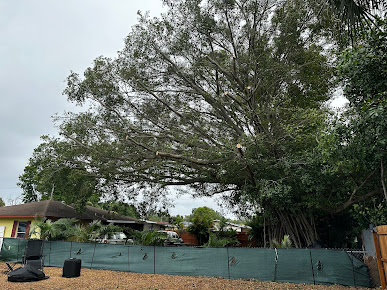
Many West Bradenton homes sit on smaller lots with pools, docks, or neighboring properties close by, which means trimming has to be done with precision. Our crews work carefully around pool cages, screened lanais, fences, and parked vehicles, lowering cut fronds with rope rather than letting them drop freely. For canal-front and waterfront properties, we’re mindful of seawalls, docks, and boat lifts, making sure no debris ends up in the water or damages your dock structure.
Protecting Against Pests and Disease
Florida’s palms face real threats from pests and disease, including lethal bronzing and palmetto weevils, both of which have been found in Manatee County. Dead or weakened fronds can mask early symptoms, so routine trimming gives our crews a chance to spot problems while they’re still manageable. Catching an issue early can mean the difference between treating a tree and having to remove it entirely.
- Height: Taller palms may require additional access planning and more involved work.
- Species: Sabal, queen, coconut, and date palms have different growth characteristics and maintenance needs.
- Proximity to structures: Palms close to a roof, driveway, fence, or screened pool cage require careful planning.
- Access and crane requirements: Restricted space or difficult access can affect the equipment and approach needed.
- Debris and haul-off: The amount of material generated and the agreed disposal arrangements influence the total.
Local Knowledge, Local Service
Stillman’s Tree Service knows West Bradenton’s neighborhoods, soil conditions, and storm patterns because we work here regularly. We understand how canal-front humidity and salt air affect palm health differently than it does further inland, and we tailor our trimming recommendations to match what your specific property and palm species actually need, not a generic schedule pulled from somewhere else.
FAQ
How often should palm trees be trimmed in West Bradenton?
Most palm species in West Bradenton do well with trimming once or twice a year. Fast-growing varieties near canals or irrigated lawns may need a check-up every 8-9 months, while slower growers like Sabal palms often go a full year between visits.
Why do palm fronds need to be removed instead of left to fall naturally?
Dead and dying fronds can weigh 15-20 pounds apiece and become loose during Gulf storms, turning into dangerous projectiles. Removing them also eliminates hiding spots for rats, roaches, and the palmetto weevils that threaten tree health.
Is it true you shouldn't over-trim a palm tree?
Yes. Stripping too many green fronds (sometimes called hurricane cutting) starves the tree of the nutrients it needs and weakens the bud, making it more vulnerable to wind damage and disease. Our crews only remove dead, dying, or hazardous fronds.
Can you trim palms close to pools, docks, or seawalls?
Absolutely. West Bradenton's waterfront properties are common for us, and our crews are experienced working around pool cages, docks, and seawalls without dropping debris into the water or damaging hardscaping.
Do you remove the frond and seed pod debris after trimming?
Yes, full cleanup and haul-away is included with every palm trimming job. We rake, blow, and bag debris so your yard, driveway, or dock area looks better than when we arrived.
Schedule Your Palm Tree Trimming Today
Whether you have a single statuesque Washingtonia palm by your front door or a whole row of Queen palms lining a canal-front yard, Stillman’s Tree Service is ready to help keep them healthy, attractive, and hurricane-ready. We also handle broader tree trimming services for the rest of your landscape, offer emergency tree removal when storms cause unexpected damage, and provide tree removal in Bradenton for trees that are beyond saving. Give us a call at (941) 803-1309 or contact us for a free estimate on palm tree trimming in West Bradenton.