- Home
- Services
- Service Areas
Bradenton, FL
Samoset, FL
Palmetto, FL
West Bradenton, FL
Oneco, FL
Bayshore Gardens, FL
Ellenton, FL
Memphis, FL
Whitfield, FL
Palma Sola, FL
Terra Ceia, FL
Longboat Key, FL
Cortez, FL
Rubonia, FL
Bradenton Beach, FL
Holmes Beach, FL
The Meadows, FL
Sarasota, FL
Anna Maria, FL
Parrish, FL
Fruitville, FL
Lakewood Ranch, FL
Sarasota Springs, FL
Bee Ridge, FL
Lake Sarasota, FL
Siesta Key, FL
Gulf Gate Estates, FL
- About
- Contact
Palm Tree Trimming in Longboat Key, FL
Palm trees are part of what makes Longboat Key feel like Longboat Key, lining Gulf of Mexico Drive, framing beachfront lanais, and shading backyards from John Ringling Causeway to the north end of the key. But that same beauty comes with upkeep. Salt air, steady Gulf breezes, and the occasional tropical storm all take a toll on fronds, and a neglected palm can quickly turn from an asset into a liability. Stillman’s Tree Service provides palm tree trimming throughout Longboat Key, keeping canopies healthy, reducing storm risk, and helping your landscaping look its best year-round.
Why Palm Trimming Matters on a Barrier Island
Longboat Key’s position between Sarasota Bay and the Gulf means nearly every property deals with higher wind exposure than you’d find further inland. Dead and dying fronds that might just sit on an inland tree become genuine projectiles here during gusty weather, capable of damaging screens, vehicles, and roofs. Heavy seed pods and coconut clusters add to the risk, especially on queen palms and coconut palms common throughout the island’s condo complexes and single-family lots.
Regular trimming removes that dead weight before it becomes a problem, while also improving airflow through the canopy and cutting down on pest habitat. For an island where many homes sit close together along narrow lots and canals, a well-maintained palm is also simply a better neighbor.
Palm Species We Commonly Service in Longboat Key
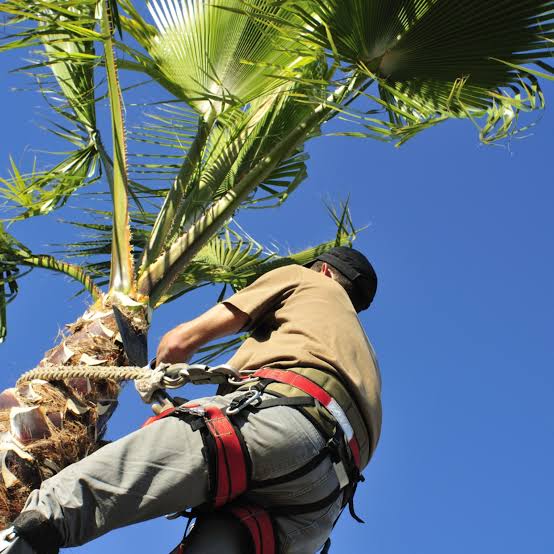
Longboat Key’s landscaping includes a mix of native and ornamental palms, each with its own trimming needs. Sabal palms, Florida’s state tree, are common in natural and buffer areas and generally need less frequent attention. Queen palms grow fast and drop fronds often, making them a regular on our maintenance schedules. Coconut palms require careful attention to fruit removal given the fall hazard, and royal palms, often planted in stately rows along entrances and driveways, need proper pruning to maintain their clean, columnar look.
We adjust our approach based on species, size, and location on your property, rather than using a one-size-fits-all cut for every palm we touch.
- Request an estimate. Call 941-803-1309 to discuss the palms, their location, and any concerns about dead fronds, seed pods, or nearby structures.
- Review the palms and access. The estimate considers the species, height, visible condition, surrounding buildings, pool enclosures, and the space available for the work.
- Confirm the scope and price. You receive a clear explanation of the proposed work and its cost before the job begins.
- Complete the agreed work. The appropriate approach depends on the palms and site conditions. Where access is restricted, the work must account for nearby structures and the safe handling of falling material.
- Address the debris. Confirm the haul-off arrangements as part of the estimate so you know what cleanup is included.
Signs Your Palms Need Attention
Brown, drooping, or hanging fronds are the most obvious sign, but there are other cues worth watching for. Fronds that rub against your roofline or gutters can trap moisture and debris, leading to roof damage over time. Heavy clusters of seed pods or coconuts hanging low over walkways, driveways, or pool decks are a safety concern that’s easy to overlook until something falls. Thinning or yellowing new growth can also point to nutrient issues that go beyond what trimming alone can fix, and we’ll flag that during an assessment.
If it’s been more than a year since your palms were last trimmed, or if you’ve just moved into a Longboat Key property and aren’t sure of its maintenance history, it’s worth having them looked at.
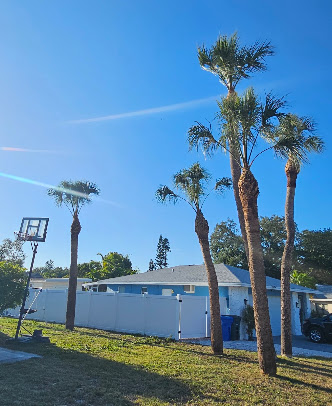
Timing Trimming Around Storm Season
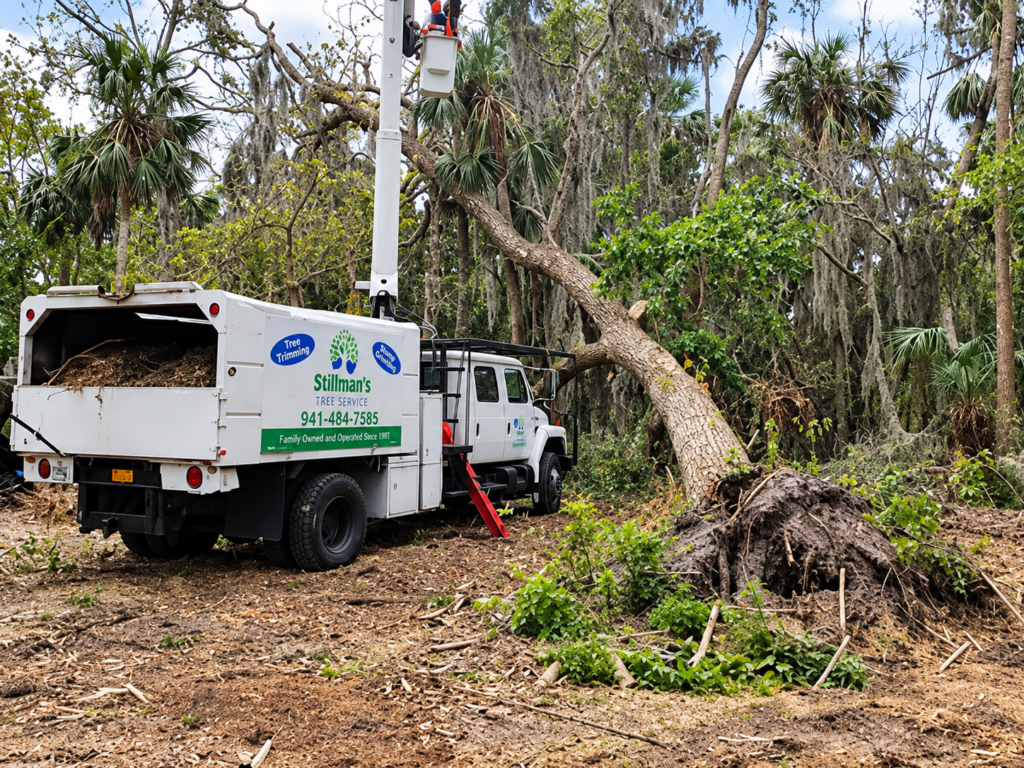
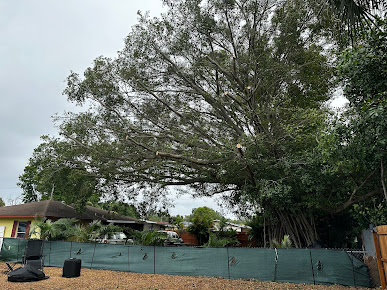
Florida’s hurricane season runs from June through November, and many Longboat Key homeowners plan a palm trimming visit in late spring as part of general property prep. Clearing out dead fronds and heavy pods ahead of storm season reduces the amount of debris that can break loose in high winds. That said, palms can also need attention after a storm has already passed through, when broken or hanging fronds need to come down before they fall on their own. We work with property owners on both schedules, planned seasonal trims and post-storm cleanup, as needed. For more on getting your whole property ready, see our hurricane prep tree services.
Working Around Longboat Key's Coastal Properties
Many of the properties we service on Longboat Key, from Country Club Shores to Bay Isles to the beachfront condo associations along Gulf of Mexico Drive, have palms planted close to pools, seawalls, docks, and tight side yards. That kind of access calls for careful planning. Our crews are experienced working around pool cages and screens, navigating narrow HOA-maintained common areas, and keeping landscaping and hardscaping intact while we work. We also take extra care near canals and the bay, where equipment placement and debris containment matter more than they would on a typical inland lot.
- Height: Taller palms may require additional access planning and more involved work.
- Species: Sabal, queen, coconut, and date palms have different growth characteristics and maintenance needs.
- Proximity to structures: Palms close to a roof, driveway, fence, or screened pool cage require careful planning.
- Access and crane requirements: Restricted space or difficult access can affect the equipment and approach needed.
- Debris and haul-off: The amount of material generated and the agreed disposal arrangements influence the total.
What's Included in Our Trimming Service
A standard palm trimming visit from Stillman’s Tree Service covers removal of dead, dying, or damaged fronds, trimming of hazardous seed pods and fruit clusters, and clearing of loose frond boots that can harbor pests or become loose in wind. We avoid over-pruning, sometimes called hurricane cutting, which strips too much green canopy and weakens the tree rather than protecting it. Every job wraps up with full debris cleanup, so you’re not left with a pile of fronds and coconuts to deal with afterward.
FAQ
How often should palm trees be trimmed in Longboat Key?
Most palms on Longboat Key do well with trimming once or twice a year. Fast-growing species like queen palms may need attention more often, while slower growers like sabal palms can often go longer between visits. Coastal wind exposure and salt spray can also affect how quickly fronds decline, so we tailor a schedule to each property.
Is it true that over-trimming hurts palm trees?
Yes. A common mistake is stripping away too many green fronds, sometimes called hurricane cutting. This weakens the palm's ability to feed itself, slows nutrient flow to the bud, and can leave the tree more vulnerable to cold snaps and pests. We only remove dead, dying, or hazardous fronds and seed pods, leaving enough healthy canopy for the tree to stay strong.
Do you trim palms before hurricane season?
Many Longboat Key homeowners schedule a trim in late spring, ahead of hurricane season, to remove loose fronds and heavy seed pods that can become wind-borne debris. This doesn't make a palm hurricane-proof, but it does reduce the amount of material that can break loose and cause damage during a storm.
Can you trim tall palms near my roof or pool cage?
Yes. We work on barrier island properties regularly where palms sit close to roofs, lanais, pool enclosures, and seawalls. Our crew uses proper climbing techniques and equipment suited for tight coastal lots, and we take care to protect screens, pavers, and landscaping during the work.
Do you remove coconuts and seed pods?
Yes, removing coconuts, seed pods, and heavy fruit clusters is part of a standard palm trimming service. This is especially important on Longboat Key, where falling coconuts can pose a real risk to people, cars, and property below, particularly during windy weather.
Will trimming help my palm survive salt spray and wind?
When a Palm Needs More Than Trimming
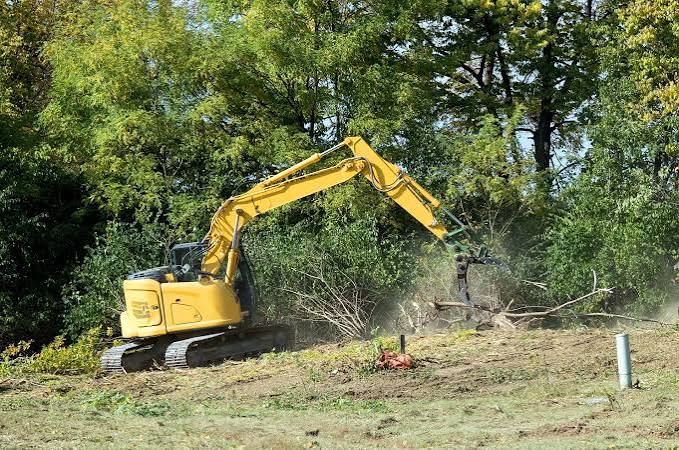
Occasionally a palm is too far gone, storm-damaged, diseased, or structurally compromised, and trimming isn’t going to fix it. In those cases, we’ll tell you plainly and talk through options, including full tree removal and stump grinding to clear the area for replanting. You can read more about our tree removal in Longboat Key for situations like these, or ask us directly during your estimate visit.
Scheduling Palm Trimming in Longboat Key
Stillman’s Tree Service works with homeowners, condo associations, and property managers across Longboat Key to keep palms healthy, tidy, and storm-ready. Whether you need a one-time cleanup, a seasonal maintenance plan, or an assessment after recent weather, our crew is ready to help. Call (941) 803-1309 or request a free estimate online to get your palms on the schedule.