
- Home
- About
- Services
- Resources
- Do You Need a Permit to Remove a Tree in Manatee County
- Do You Need a Permit to Remove a Tree in Sarasota County
- Bradenton City Tree Removal Permits
- Florida Tree Removal Law 163.045
- What Tree Removal Costs in Manatee and Sarasota County
- Palm Tree Trimming Cost in Bradenton, Florida Guide
- Bradenton Hurricane Tree Prep
- Tree Topping in Florida
- Is Your Tree Dangerous? Warning Signs in Bradenton, Florida
- Live Oaks in Manatee County: Protected, Pruned and Misunders
- Florida Palm Tree Care | Sabal, Queen, Coconut and Date
- Storm Damage Tree Removal and Insurance in Bradenton
- Signs of Tree Decline in Florida
- Florida Tree Service Checklist
- Service Areas
Bradenton, FL
Samoset, FL
Palmetto, FL
West Bradenton, FL
Oneco, FL
Bayshore Gardens, FL
Ellenton, FL
Memphis, FL
Whitfield, FL
Palma Sola, FL
Terra Ceia, FL
Longboat Key, FL
Cortez, FL
Rubonia, FL
Bradenton Beach, FL
Holmes Beach, FL
The Meadows, FL
Sarasota, FL
Anna Maria, FL
Parrish, FL
Fruitville, FL
Lakewood Ranch, FL
Sarasota Springs, FL
Bee Ridge, FL
Lake Sarasota, FL
Siesta Key, FL
Gulf Gate Estates, FL
- Contact
Hurricane Season Tree Prep: What to Do and When to Do It
Florida’s hurricane season runs from June through November, but preparing your trees should start before a storm enters the forecast. In Bradenton and Manatee County, routine maintenance can help address dead branches, weak attachments, root problems, and other existing concerns.
No tree can be made completely hurricane-proof. However, early planning gives you time to assess potential hazards, arrange appropriate tree care, and avoid unnecessary last-minute work.
When Should You Prepare Trees for Hurricane Season?
The best time to plan tree maintenance is before severe weather threatens your property. A practical schedule includes:
- Before June: Check for dead limbs, damaged branches, weak attachments, and signs of declining tree health. Arrange professional assessment and allow time for cleanup.
- June through August: Monitor changes in tree condition. New cracks, broken limbs, a changing lean, or disturbed soil around the trunk may require professional attention.
- September through November: Continue monitoring your trees and follow official weather guidance when storms approach. Avoid unnecessary last-minute pruning.
These are planning guidelines, not fixed pruning deadlines. Each tree has different maintenance needs depending on its species, structure, health, and location.
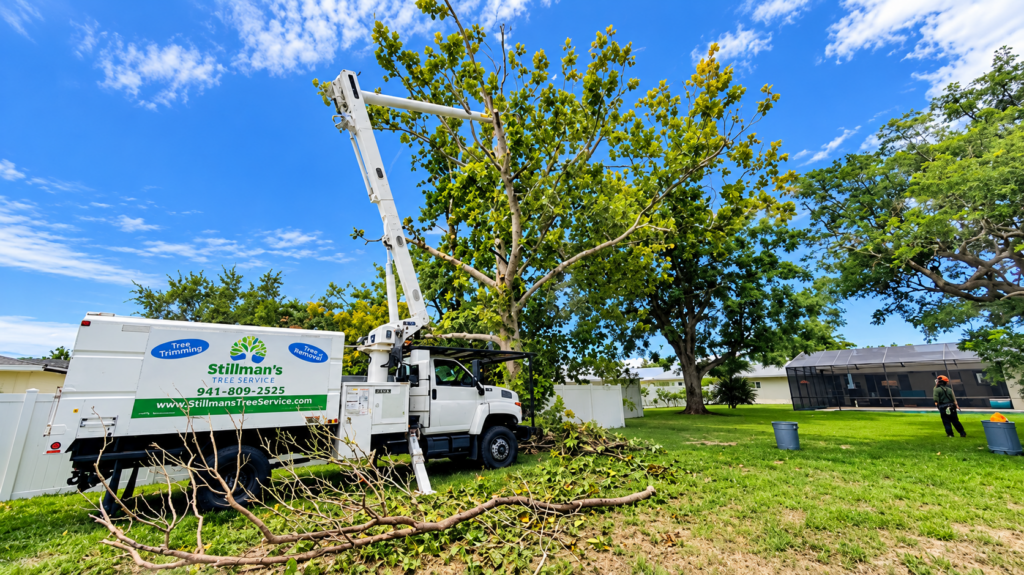
Which Tree Problems Should You Address Before a Hurricane?
Several existing conditions deserve attention before strong winds and heavy rain arrive.
Dead or Damaged Branches
Dead, broken, and hanging branches can fall during storms. Limbs above roofs, driveways, walkways, and other frequently used areas deserve particular attention. A professional can determine whether pruning is appropriate and identify any additional concerns.
Weak Branch Attachments
Trees with two similarly sized main stems may have weak unions, particularly when bark becomes trapped between the stems. These attachments can be more vulnerable to splitting than strong branch unions.
Multiple stems do not automatically mean a tree needs removal. Its structure, condition, and surroundings should guide the recommendation.
Trunk Cracks, Decay, and Fungal Growth
Cracks, cavities, and visible fungal growth can indicate structural damage or decay. These symptoms warrant assessment, especially when they affect the trunk or major limbs.
Not every visible defect requires removal, and the absence of visible symptoms does not guarantee that a tree is structurally sound.
Leaning Trees and Root Movement
A gradual lean may be longstanding, but a sudden change can indicate instability. Watch for fresh cracks in the soil, lifting ground, or movement around the tree’s base.
Heavy rainfall can saturate the soil and affect root support. If you notice new movement or a rapidly changing lean, arrange professional assessment as soon as conditions permit.
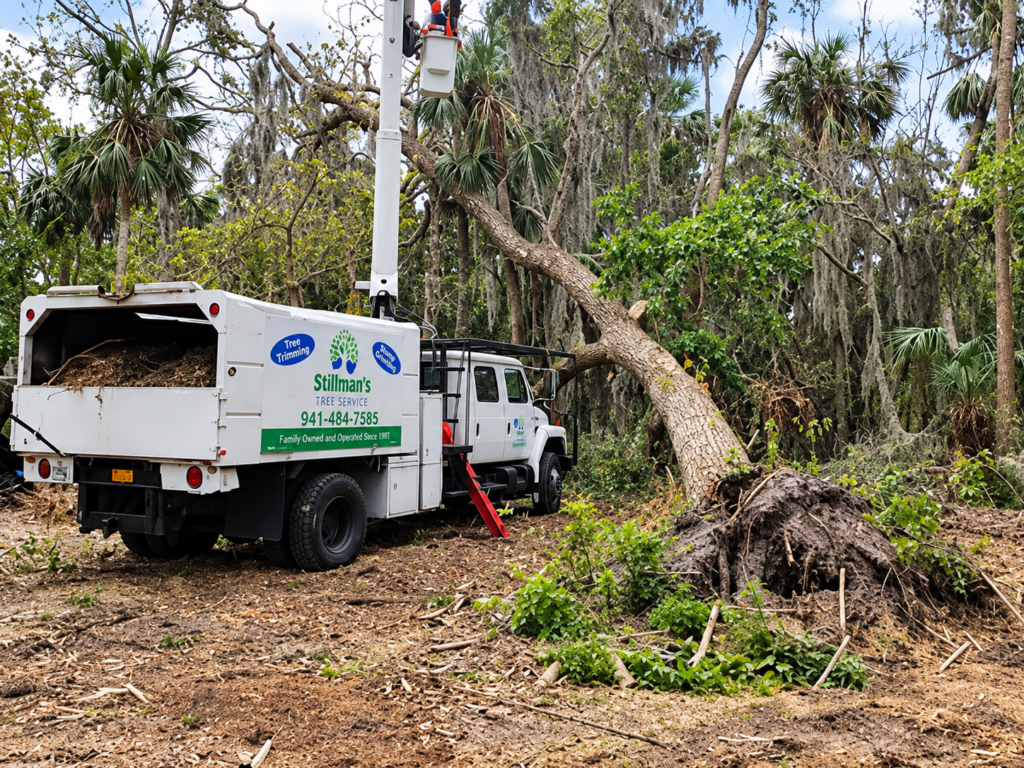
Does Pruning Before Hurricane Season Help?
Proper pruning can remove dead or damaged branches and address specific structural problems. The goal is to improve the tree’s condition without removing healthy growth unnecessarily.
Avoid topping, which cuts back major branches without regard for suitable branch structure. It can leave large wounds and encourage weakly attached regrowth.
Excessive interior pruning, sometimes called lion-tailing, is another practice to avoid. It removes too much interior foliage and concentrates leaves near branch ends.
Appropriate structural pruning considers the tree’s species, condition, branch attachments, and location. It cannot guarantee storm resistance, but it can address certain preventable problems before hurricane season.
How Should Palm Trees Be Prepared for Hurricanes?
Palm trees require different maintenance from broad-canopied trees. Their green fronds help produce the energy needed for healthy growth.
A hurricane cut removes most green fronds, leaving only a small cluster near the top. This is not a reliable way to improve storm resistance and can weaken the palm by reducing its food-producing foliage.
Instead, palm maintenance should reflect the species and its condition. Dead or damaged fronds may need removal, particularly when they could fall into occupied areas. Healthy green fronds should not be cut simply to make a palm look storm-ready.
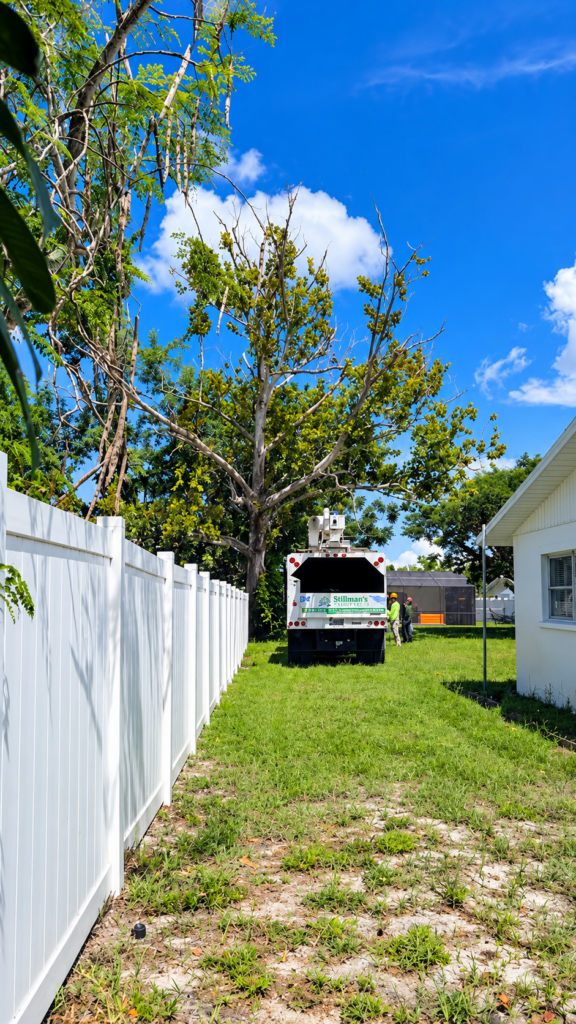
Why Should You Avoid Last-Minute Tree Work?
When a named storm approaches, demand for tree services can increase while safe working time decreases. Equipment, available crews, weather conditions, and existing commitments can limit what can be completed.
Large pruning and removal jobs also require time for safe completion and debris cleanup. Branches left on your property may become hazards during strong winds.
Schedule routine tree maintenance well before a storm appears in the forecast. If severe weather is approaching, do not climb trees, operate a chainsaw, or attempt to secure large limbs. Stay away from damaged overhead power lines and follow official emergency instructions.
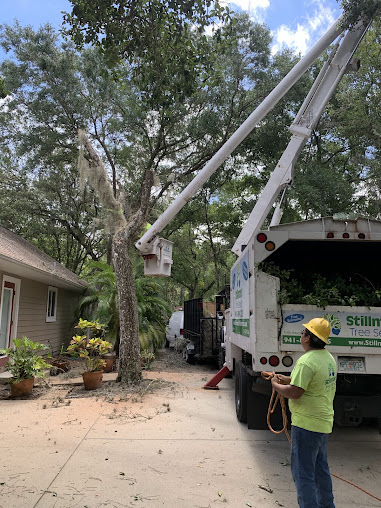
Should You Remove a Tree Before Hurricane Season?
Not every large tree near a home needs removal. The decision depends on its structural condition, health, location, and the consequences of failure.
A healthy live oak should not be removed simply because it has a broad canopy. A declining tree with significant decay, structural damage, or compromised roots may require a different approach.
Depending on the circumstances, corrective pruning, appropriate treatment, or removal may be considered. Local tree protection requirements may also apply, so verify applicable rules before arranging removal.
A professional recommendation should explain the concern, the proposed work, and any reasonable alternatives. Even well-maintained trees can suffer damage during extreme weather.
What Should You Do if a Tree Is Damaged During a Storm?
Stay away from storm-damaged trees, hanging limbs, split trunks, and uprooted trees, as they can shift unexpectedly. Never attempt hazardous tree work yourself. If a tree touches a power line, keep clear and contact the utility company.
Once conditions are safe, arrange a professional assessment to determine whether pruning or removal is needed. If property damage occurs, contact your insurance provider to confirm claim and documentation requirements.
Frequently asked questions
When Does Florida's Hurricane Season Begin and End?
Florida’s Atlantic hurricane season runs from June 1 through November 30. Start planning tree maintenance before the season begins.
Should Every Tree Be Trimmed Before Hurricane Season?
No. Pruning needs depend on the tree’s condition, structure, species, and surroundings. Removing healthy branches without a clear reason can cause unnecessary damage.
Does Topping Make Trees Safer During Hurricanes?
No. Topping can leave large wounds and encourage weak regrowth. Appropriate structural pruning is a better approach when corrective work is needed.
Should Palm Trees Receive a Hurricane Cut?
No. Removing most healthy green fronds can weaken a palm. Maintenance should focus on its condition and the appropriate removal of dead or damaged growth.
Can a Healthy Tree Fall During a Hurricane?
Yes. Extreme winds, saturated soil, and other storm conditions can damage even healthy trees. Maintenance can address certain risks but cannot guarantee that a tree will withstand a hurricane.
Schedule Tree Maintenance Before a Storm Approaches
Stillman’s Tree Service is a family-owned, owner-operated tree company with 20 years in business, serving Manatee County and north Sarasota County from Bradenton, Florida.
Services include tree trimming, tree removal, palm trimming, stump grinding, storm damage work, and tree health and disease treatment.
Call 941-803-1309 to discuss your trees and request a free estimate. Planning ahead gives you more time to address existing concerns before hurricane season becomes a last-minute priority.