- Home
- About
- Services
- Resources
- Do You Need a Permit to Remove a Tree in Manatee County
- Do You Need a Permit to Remove a Tree in Sarasota County
- Bradenton City Tree Removal Permits
- Florida Tree Removal Law 163.045
- What Tree Removal Costs in Manatee and Sarasota County
- Palm Tree Trimming Cost in Bradenton, Florida Guide
- Bradenton Hurricane Tree Prep
- Tree Topping in Florida
- Is Your Tree Dangerous? Warning Signs in Bradenton, Florida
- Live Oaks in Manatee County: Protected, Pruned and Misunders
- Florida Palm Tree Care | Sabal, Queen, Coconut and Date
- Storm Damage Tree Removal and Insurance in Bradenton
- Signs of Tree Decline in Florida
- Florida Tree Service Checklist
- Service Areas
Bradenton, FL
Samoset, FL
Palmetto, FL
West Bradenton, FL
Oneco, FL
Bayshore Gardens, FL
Ellenton, FL
Memphis, FL
Whitfield, FL
Palma Sola, FL
Terra Ceia, FL
Longboat Key, FL
Cortez, FL
Rubonia, FL
Bradenton Beach, FL
Holmes Beach, FL
The Meadows, FL
Sarasota, FL
Anna Maria, FL
Parrish, FL
Fruitville, FL
Lakewood Ranch, FL
Sarasota Springs, FL
Bee Ridge, FL
Lake Sarasota, FL
Siesta Key, FL
Gulf Gate Estates, FL
- Contact
How to Tell If a Tree on Your Property Is Dangerous
A tree may be dangerous if it has a new or worsening lean, cracks in the trunk, shifting soil around its base, large dead branches, visible decay, or fungal growth on the trunk. These signs do not automatically mean the tree must come down, but they deserve attention. A photograph cannot establish whether a tree is safe. If the tree threatens your home, driveway, or a place people use, keep clear and arrange a professional evaluation.
What Warning Signs Should You Look For?
1. A tree that has started leaning
Some trees naturally grow at an angle. A new lean, especially after heavy rain or strong winds, is more concerning. Look for changes in the trunk's position and soil around the base. A tree that appears to be shifting may have movement in its root plate, the mass of roots and soil that supports it. If the ground is lifting or cracking around the base, stay away from the tree and the area where it could fall. Do not approach the trunk to investigate.
2. Cracks or splits in the trunk
A deep vertical crack, a split between major stems, or a fresh opening in a branch union can indicate structural weakness. Codominant stems are two main stems growing from a shared junction. If included bark becomes trapped between them, the connection may be weaker than a normal branch union. As the stems grow, the junction can become more vulnerable to splitting. Not every visible crack means a tree will fail. Its depth, location, extent, and relationship to other defects matter.
3. Dead branches and declining canopy
Dead branches can fall without warning, particularly when they are large or extend over roofs, vehicles, walkways, or outdoor seating areas. A thinning canopy, branches dying on one side, or a sudden change in leaf growth may indicate stress. Possible causes include root damage, disease, decay, or lightning injury. Southwest Florida's weather can expose existing weaknesses, but a declining canopy does not identify the cause by itself. The tree's overall condition needs to be considered.
4. Fungal growth on the trunk or roots
Mushrooms or shelf-like fungal growths, known as conks, can indicate decay in the wood or roots. Some decay fungi break down wood that helps support the tree. However, not every fungus means a tree is immediately hazardous, and decay can also exist without visible fungal growth. The location of the growth and the condition of the surrounding tree matter.
5. Exposed roots or disturbed soil
Roots anchor a tree and help it absorb water and nutrients. Construction, soil changes, and root damage can affect stability. Pay attention to fresh soil movement, lifting ground, or a visible change in the tree's position. Sandy soils are common in this region, making the condition of the root system and surrounding ground relevant to an evaluation. Do not dig around the roots or attempt to test whether the tree is stable.
Can a Damaged Tree Be Saved?
Sometimes. A tree with a limited dead branch or a manageable structural concern may be suitable for selective pruning. Other trees may have defects that cannot be reasonably corrected through pruning.
The decision depends on the species, the extent of decay, the location of structural defects, the tree’s condition, and what lies within its potential fall area.
Cabling may be considered for some trees with weak unions. It uses support systems to reduce movement or loading on selected stems, but it does not eliminate every risk or make a defective tree safe in all circumstances.
Removal may be more appropriate when serious defects cannot be managed adequately. The aim is to address the actual hazard, not to assume every imperfect tree needs to be removed.
Can a Photograph Tell You Whether a Tree Is Dangerous?
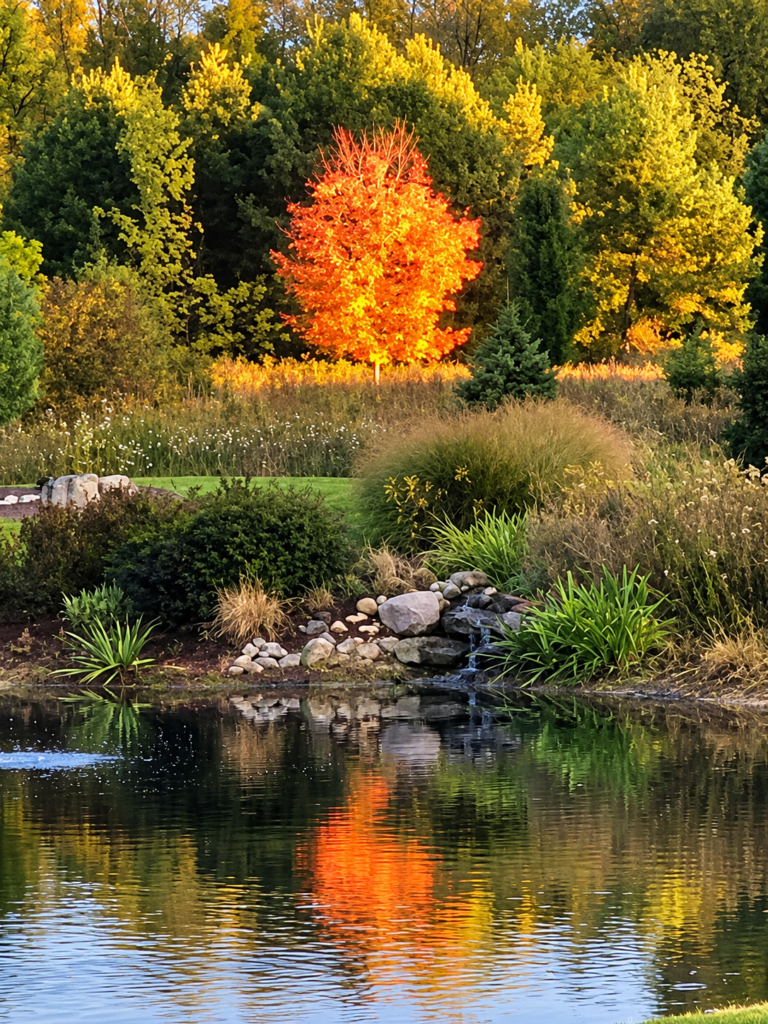
No. Photos can show visible cracks, dead branches, fungal growth, or a leaning trunk, but they cannot reliably establish the full condition of the roots, internal wood, or structural attachments.
A tree may have internal decay without obvious external signs. Conversely, a tree with visible damage may still have options other than removal.
If you send a photograph to a tree service, treat it as background information, not a definitive safety assessment. A professional evaluation considers the tree’s condition and the people or property that could be affected if a branch or the tree fails.
What Should You Do if a Tree Looks Dangerous?
If a tree is leaning suddenly, splitting, shifting at its base, or has large hanging branches, keep people and pets away from the affected area. Do not climb the tree, touch hanging limbs, or attempt to cut or reposition damaged branches.
If a tree or branch contacts a power line, stay well clear and contact the utility or appropriate emergency service.
For storm damage, wait until conditions are safe before arranging work. If damage involves your home or another insured structure, contact your insurance carrier to ask what documentation it requires. Coverage depends on your policy and circumstances.
Does Florida Law Allow Removal of a Dangerous Tree Without a Permit?
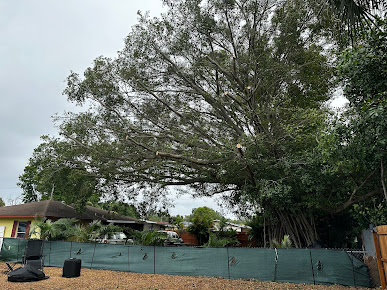
Florida Statute 163.045 provides an exception for qualifying trees on residential property that pose an unacceptable risk. With the required documentation, the local government cannot require a notice, application, approval, permit, fee, mitigation, or replanting for covered work.
Documentation must be based on an onsite assessment using Best Management Practices: Tree Risk Assessment, Second Edition (2017) and signed by an ISA Certified Arborist or Florida licensed landscape architect. Removal must be the only practical way to reduce the risk below moderate. This is not a blanket exemption for every tree or property.
Stillman’s Tree Service has an ISA Certified Arborist on staff and can provide the required documentation when the circumstances qualify. The estimate is free.
Local rules still matter. Manatee County requires permits for certain HOA common areas, commercial sites, and conservation areas. The City of Bradenton has its own tree removal requirements.
FAQ
Does a leaning tree always need removal?
No. Some trees naturally lean. A new or worsening lean, particularly with soil movement or trunk cracks, needs prompt attention to determine the cause and appropriate response.
Are mushrooms at the base of a tree dangerous?
They can indicate decay in roots or wood, but their presence alone does not establish the level of risk. The tree’s overall condition and the location of the fungal growth matter.
Can a tree look healthy but still be dangerous?
Yes. Internal decay, weak branch unions, or root problems may not be obvious from the outside. A full evaluation considers more than leaf color and canopy appearance.
Does a dangerous tree always qualify for removal without a permit?
No. Florida Statute 163.045 applies only to qualifying residential property and trees that meet its unacceptable-risk standard, supported by the required signed documentation.
Request a Free Tree Service Estimate
If you have noticed a new lean, trunk cracks, root movement, fungal growth, or significant deadwood, contact Stillman’s Tree Service to discuss the situation.
Call 941-803-1309 for a free estimate. Stillman’s Tree Service serves Manatee County and north Sarasota County.